Dog Fouling – A Persistent Problem and How to Report It
Dog fouling is more than just unpleasant—it’s a public health risk and an environmental nuisance. It affects pavements, parks, and play areas, making everyday spaces unsafe and unhygienic.
Published: 21 April 2026
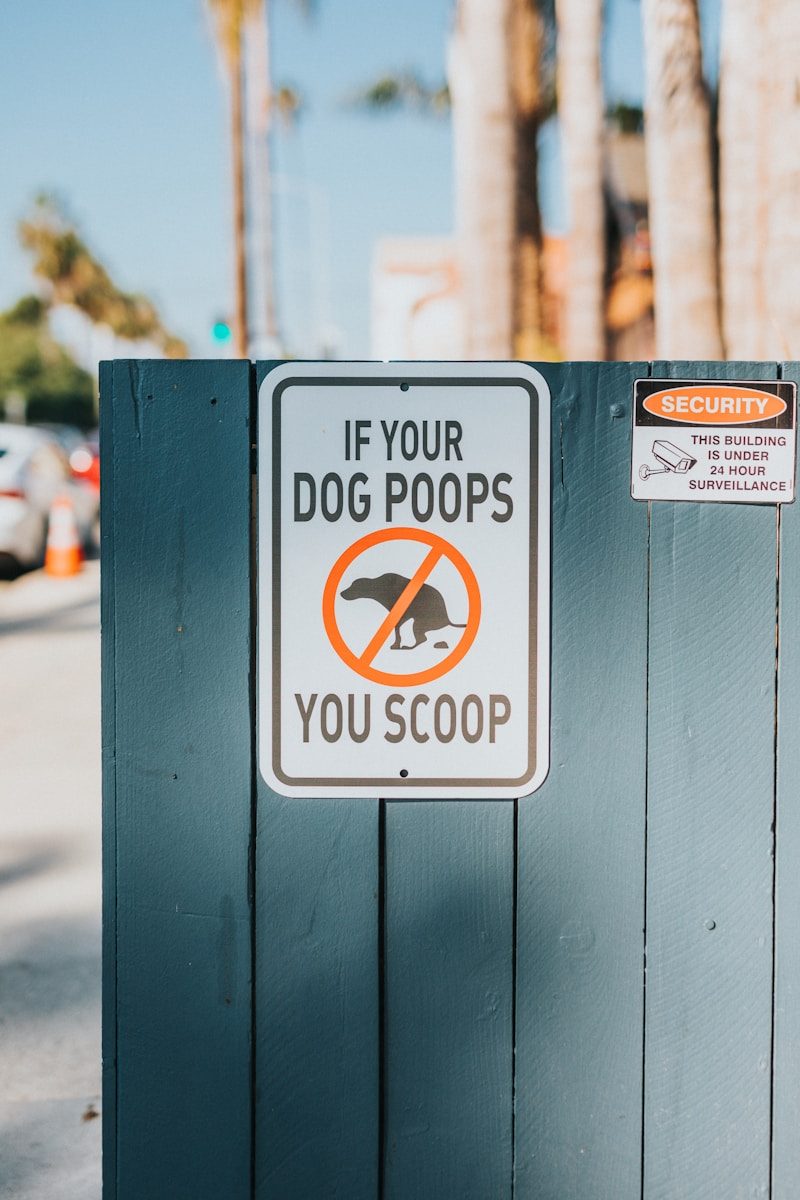
Dog fouling continues to be a major issue across towns and cities in the UK, with councils urging residents to take action as complaints remain widespread.
Failure to clean up after a dog is a criminal offence, and offenders can face:
- Fixed penalty notices (typically £50–£100)
- Court fines of up to £1,000
The responsibility lies with the person in charge of the dog at the time—even if they didn’t witness the animal fouling.
Dog fouling laws apply to most public areas, including:
- Pavements and roads
- Parks and playgrounds
- Public footpaths and green spaces
Enforcement officers can issue on-the-spot fines, and repeated offences may lead to prosecution. Many councils also use Public Spaces Protection Orders (PSPOs) to regulate dog-related behaviour in certain areas.
📍 Where to Report Dog Fouling
Residents are encouraged to report incidents to help councils identify problem areas and repeat offenders.
- Report dog fouling in Huntingdonshire (HDC) online via the Huntingdonshire District Council website to arrange for cleaning or report offenders.
To increase the chance of action, we recommend including:
- Exact location of the incident
- Date and time (or patterns if ongoing)
- Description of the dog and owner
- Vehicle details if relevant
The more detail provided, the more likely enforcement teams can investigate and issue penalties
Once a report is made:
- Councils may arrange clean-up within 24 hours in public areas
- Enforcement officers may monitor hotspots
- Repeat offenders can be targeted for fines or prosecution
However, councils cannot act on private land such as gardens or driveways.